Work We Fund
Cure LBSL has cast a wide research net with partners across the globe to find a cure for LBSL. Here’s a quick look at the research underway:
AAV9 Gene Therapy: Kennedy Krieger
ASO Therapy: Kennedy Krieger
Drug Repurposing: Children’s Hospital of Orange County
Current Studies for LBSL Patients
LBSL Natural History Studies
Help researchers learn more about LBSL through a natural history study!
Kennedy Krieger Institute, Baltimore, Md.
This is a virtual study, meaning visits are done in your own home and there’s no need to travel. Click to learn more!
Amsterdam: Click to learn more!
University of Helsinki, Helsinki, Finland
Click to learn more!
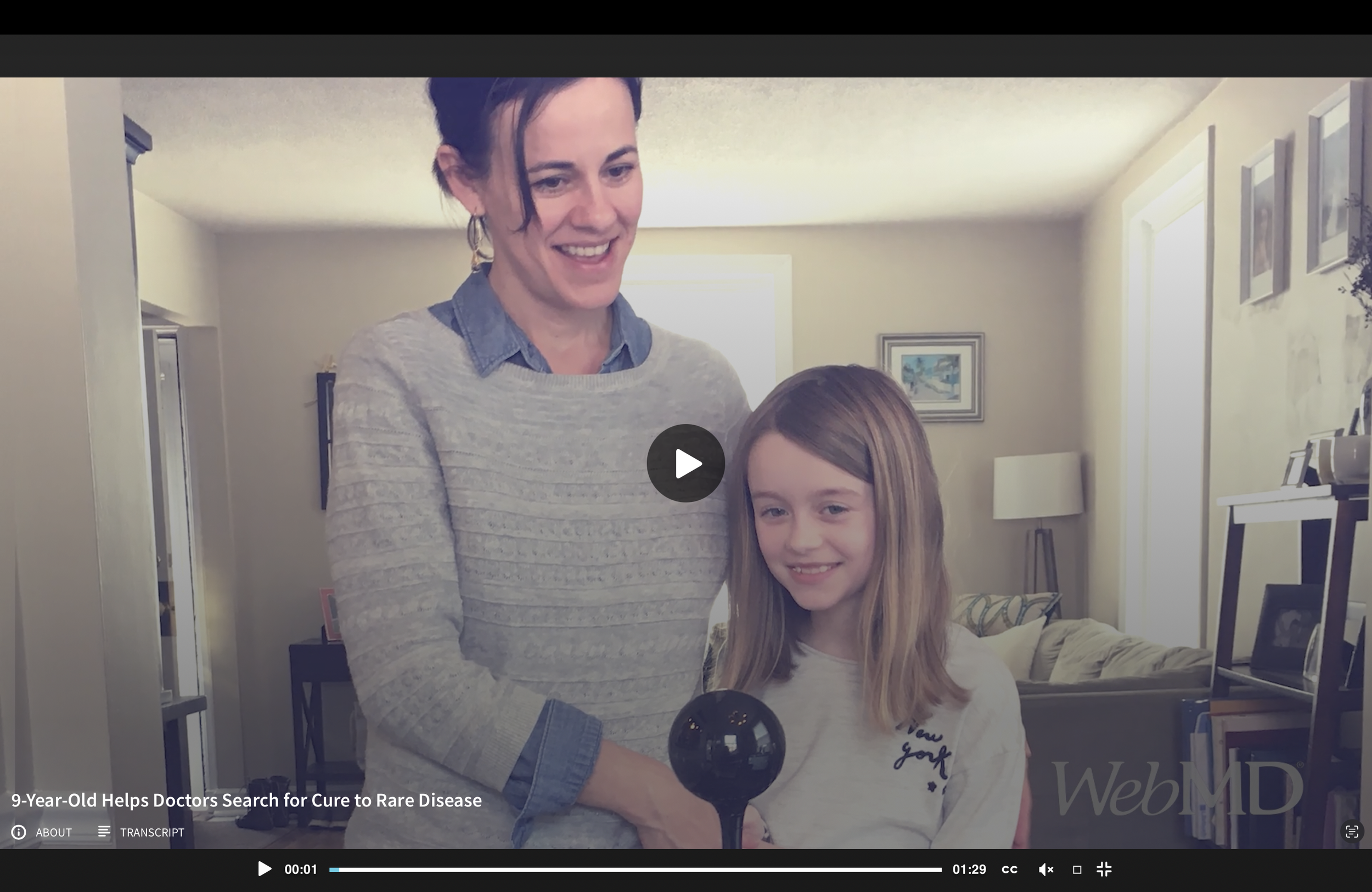
Cure LBSL produced this video for WebMD about the LBSL natural history study in the U.S.
Other Studies
Here are a few studies that enroll LBSL patients.
National Institutes of Health, Bethesda, Md.: National Institutes of Health. The Metabolism, Infection and Immunity (MINI) Study is a longitudinal natural history study at NIH that aims to define the relationship between infection, immunity and clinical decline in individuals with mitochondrial disease. Click to learn more!
National Institutes of Health, Bethesda, Md.: Click to learn more!
Helsinki: University of Helsinki. Click to learn more!
Are there any treatments for LBSL?
Unfortunately, there are currently no definitive, long-term treatments for LBSL. Cure LBSL is funding research all over the globe with the goal of discovering new treatments and hopefully a cure.
Supportive therapies for LBSL patients include:
Physical therapy and rehabilitation
Anti-epileptic drugs
Special eduction
Speech therapy
Some patients with LBSL take a combination of antioxidants, often referred to as a mitochondrial cocktail, under the guidance of a doctor in an effort to try to help energy production in the brain and spinal cord. While the use of these antioxidants has not been systematically studied, and it is uncertain if their use will improve the long-term outcome of LBSL, some patients and families attribute positive results to the cocktail.