LBSL Research
LBSL was first discovered in 2004, but meaningful studies of the DARS2 gene — which determines LBSL — were not published until 2012. As a result of our efforts, the first LBSL research program launched in 2016 at Kennedy Krieger Institute in Baltimore. Today, we support LBSL research around the world. Read published studies here.

Natural History Studies
Cure LBSL helped launch the first LBSL natural history study in 2018, and international natural history study sites have since opened in Finland and the Netherlands. These studies are critical for researchers to learn more about the disease’s progression — and help establish meaningful outcomes for clinical trials in potential therapies.
United States
While this study is run by Kennedy Krieger Institute in Baltimore, you can participate in this natural history study from your own home! Researchers send a kit for a virtual meeting to conduct various tests to measure gait, balance, sway and more. Learn more here!
Netherlands
This study is run by Academisch Medisch Centrum - Universiteit van Amsterdam in Amsterdam and is open to individuals age 16 and up. Learn more here!
Finland
This natural history study is run by University of Helsinki in Helsinki. Learn more here!
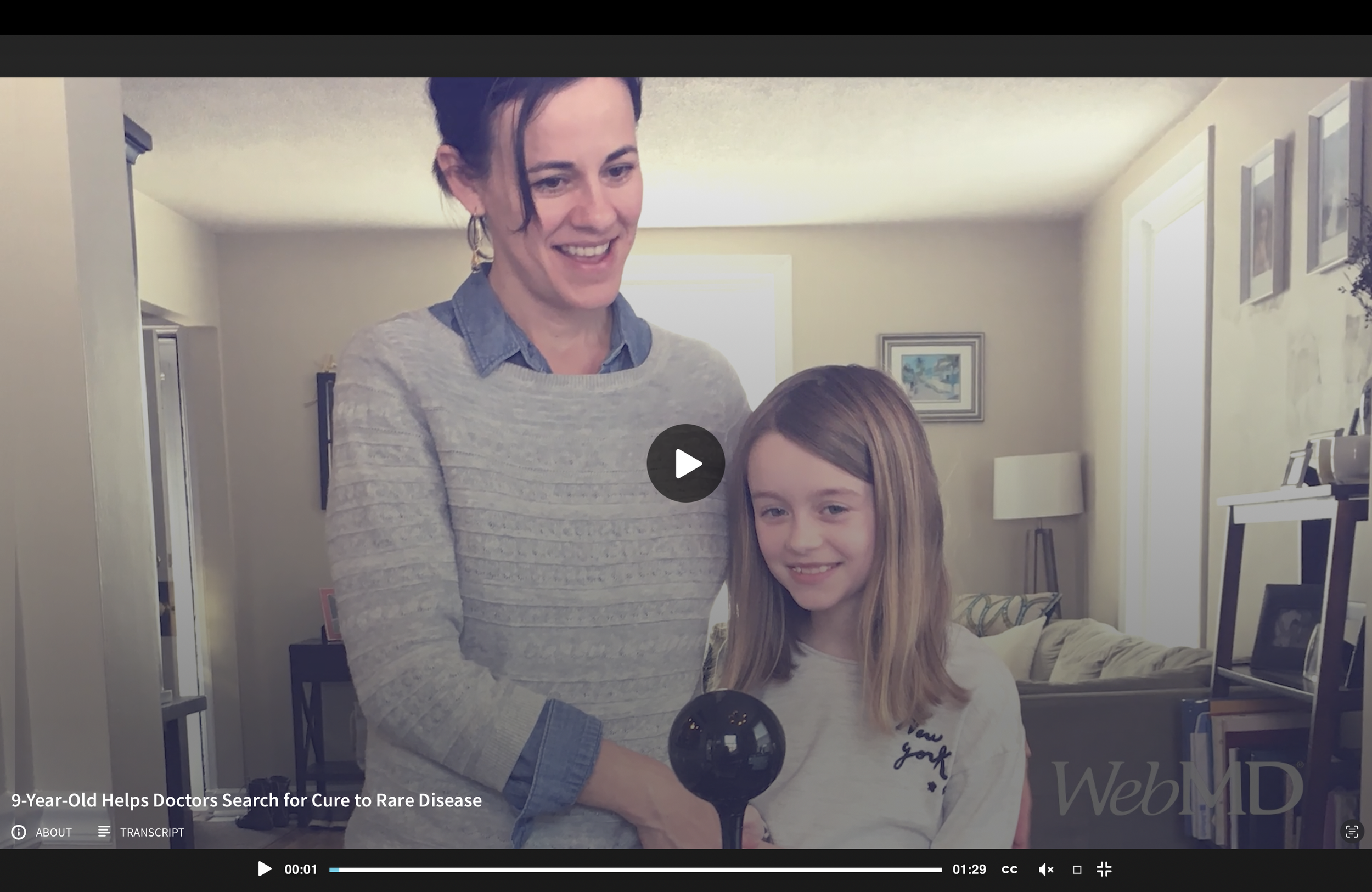
Cure LBSL produced this video for WebMD about the LBSL natural history study in the U.S.
Other Studies
Here are a few studies that enroll LBSL patients. Note: This list is not comprehensive!
MINI Study
The Metabolism, Infection and Immunity (MINI) Study is a longitudinal natural history study at the National Institutes of Health (NIH) in Bethesda, Md., that aims to define the relationship between infection, immunity and clinical decline in individuals with mitochondrial disease. Learn more here!
Genetic and Physical Study of Childhood Nerve and Muscle Disorders
The Genetic and Physical Study of Childhood Nerve and Muscle Disorders at NIH in Bethesda, Md., aims to more about genetic nerve and muscle disorders that start in childhood. Learn more here!